The judge accepted Clancy's factual stipulations. Medical and forensic witnesses described her injuries, medication evidence, blood testing, fingerprint examinations, and toxicology findings. Cross-examination addressed limits in record review, sampling, and stain interpretation. Toxicology screening detected no substances in the children's specified samples.
Full day summary
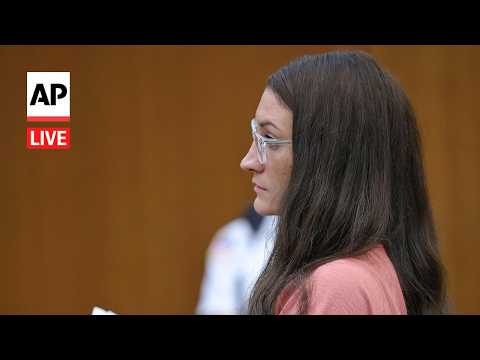
The judge accepted factual stipulations after questioning Lindsay Clancy under oath and finding her competent to enter the agreement and her decision knowing, intelligent, and voluntary. Kevin Reddington said the defense was not contesting the Commonwealth's case in chief and sought to avoid days of chain-of-custody testimony. The stipulated facts were not read aloud during the colloquy.
Trauma surgeon Christina Carpio described treating Clancy at South Shore Hospital after a reported fall of unclear mechanism from about 20 feet. She described superficial neck and wrist wounds, serious spinal injuries, hypothermia, and a blood-pressure drop after intubation. She said neurosurgical advice supported transfer to Brigham and Women's Hospital and that the team considered Clancy stable enough for transport. On cross-examination, she could not verify later treatment at Brigham because she had reviewed only her South Shore note.
Lieutenant Joseph Rabbitt described prescription bottles recovered from the kitchen and a separate medication delivery by Patrick Clancy and attorney David Meyer. He explained his pill counts but could not recall the delivered bag's origin and had not seen five additional bottles shown by the defense. Forensic scientist Maureen Hartnett identified confirmed blood findings from several sampled locations and the knife blade, while distinguishing those findings from untested stains and positive screening results. Shingle stains screened positive but were not confirmed; she preserved limited material for possible DNA testing. Trooper Jonathan O'Loughlin reported insufficient fingerprint detail for comparison on the knife and three exercise bands.
Toxicology witnesses described benzodiazepine findings and other medications in Clancy's samples. Hilary Griffiths reported measured blood concentrations, while Lisa Yelle explained that general drug screens identify substances without measuring their levels. Both addressed how metabolites can reflect breakdown of a drug rather than separate ingestion. Clancy's toxicology report was admitted. The judge also read three postmortem toxicology stipulations, and Alicia Zimmerman reported no substances detected in the children's specified samples.
Sherri Crook described stain patterns in the basement, bedroom, and around the window. She linked a nightstand transfer stain to contact with the knife, but not its original location, and retained alternative explanations for mirror stains. Cross-examination distinguished confirmed blood identification from the inference used in her pattern analysis. Her answers about window contact and descent described possible mechanisms, not a determination of what occurred.
 4:16:54