Maureen Hartnett testified on Day 6 about collecting forensic samples and confirming blood in selected scene and knife-blade samples. Under cross-examination, she distinguished those findings from screening-only and untested stains; on redirect, she explained preserving shingle material for possible DNA testing.
Expert witnessMassachusetts State Police Crime Laboratory
Maureen Hartnett
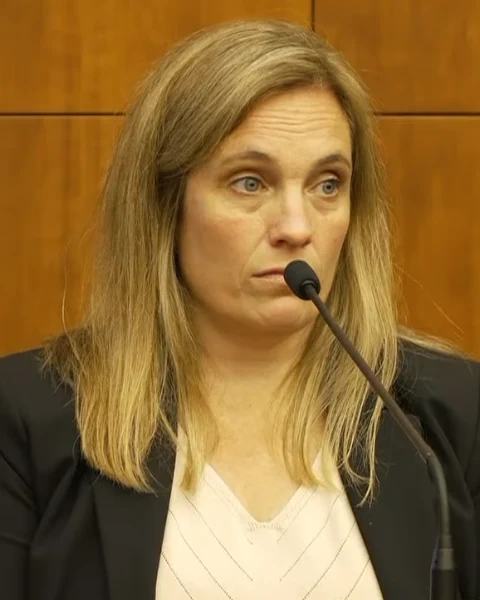
Civilian forensic scientist in the Criminalistics and Crime Scene Response units at the Massachusetts State Police Crime Laboratory.
Appeared2026 Criminal Trial
212 lines·7 proceedings·6 mentions
About
Maureen Hartnett testified for the Commonwealth on Day 6 about forensic sample collection and blood identification. She described collecting samples from Lindsay Clancy's hands at South Shore Hospital on January 24, 2023, and beneath her fingernails at Brigham and Women's Hospital the following day. At 47 Summer Street, she documented and selectively sampled stains rather than testing every visible mark.
Hartnett reported confirmed blood findings from selected basement-floor, bedroom-floor, interior bedroom-windowsill, backyard-snow, and knife-blade samples. She did not identify whose blood it was. She also explained separate sampling of the ends and centers of three exercise bands, intended to help determine whether different individuals contacted different areas. She described collection and preservation for DNA analysis, not findings identifying who touched the bands.
On cross-examination, Kevin Reddington questioned how far those findings extended. Hartnett limited her bedroom-floor conclusion to the material collected, explaining that confirmation indicated human blood but could also react with primate blood. The mirror stain received screening only; the particular exterior windowsill stain, possible doorknob stain, and drops beneath the doorknob were untested. She did not adopt counsel's suggestion that those visible stains could all be treated as human blood. Although she agreed that weather can degrade blood, she did not identify the shingle material as blood or establish a specific degradation history.
On redirect, Hartnett explained why the shingle stains remained screening-positive rather than confirmed blood findings. Their appearance had changed, and she was concerned that little material might remain. She preserved a swab for possible DNA testing instead of consuming additional material in confirmatory testing and reported no further laboratory testing on that swab.
Trial Record (7)
No proceedings match this filter.