William Sullivan instructed jurors on criminal responsibility and homicide, ruled on disputed testimony and defense motions, and directed deliberations in Lindsay Clancy's murder trial. After supplemental instructions failed to resolve the reported deadlock, he declared a mistrial over the defense's objection and discharged the jury.
JudgeMassachusetts Superior Court
William Sullivan
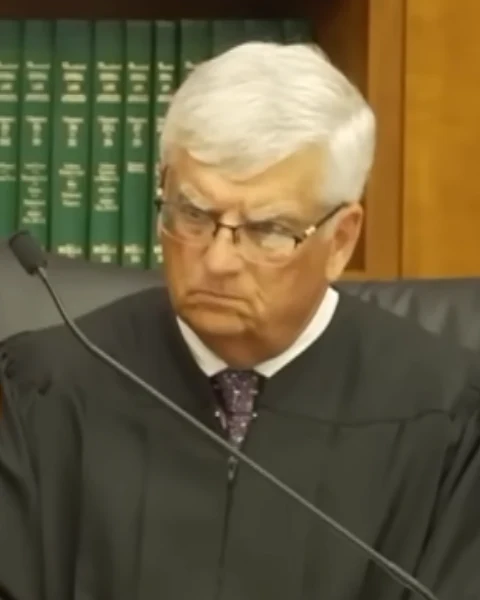
Massachusetts Superior Court judge presiding over the case against Lindsay Clancy in Plymouth.
Appeared2026 Criminal Trial
2,526 lines·245 proceedings
About
William Sullivan presided over Lindsay Clancy's murder trial and instructed jurors on the Commonwealth's burden to prove guilt and criminal responsibility beyond a reasonable doubt. His preliminary instructions covered the presumption of innocence and restrictions on outside research and discussion. Before the planned emergency-call playback, he cautioned jurors to separate emotional reactions from evidentiary weight. He later explained that expert witnesses receive no higher standing than other witnesses and that jurors could reject their opinions.
Sullivan questioned Clancy about her understanding and voluntary agreement before accepting factual stipulations. He excluded Emily Thorndike's proposed McLean testimony while permitting staffing and program records. He also denied the defense's request for acquittal or reduction to second-degree murder and later denied a renewed required-finding motion without stating reasons.
When religious testimony prompted a defense mistrial motion, Sullivan denied the motion and gave a curative instruction. He struck testimony about Clancy's religious upbringing and directed jurors to disregard the witness's understanding of Catholic teachings as irrelevant.
At the charge conference, Sullivan allowed a manslaughter instruction and declined a Bowden instruction, while permitting the defense to argue alleged investigative deficiencies. After both parties opposed draft voluntary-intoxication provisions, he omitted those instructions concerning criminal responsibility. On Day 22, he instructed jurors on criminal responsibility, murder, and manslaughter, including how mental impairment and prescription-drug evidence could affect the required findings. His final instructions clarified second-degree murder and addressed evidence, reasonable doubt, and deliberations.
After jurors reported an impasse, Sullivan directed further deliberations and gave supplemental deadlock instructions that emphasized reconsideration without surrendering individual convictions. He repeated the reasonable-doubt instruction and later reminded jurors to consider his instructions together and avoid disclosing numerical divisions. On Day 28, he denied further juror questioning and declared a mistrial over the defense's objection. He allowed a one-hour deferral for the defense to seek an SJC stay. After reporting that relief had been denied, he denied renewed juror inquiry and discharged the jury.
Trial Record (245)
No proceedings match this filter.