Lindsay Clancy faced three murder charges in a trial centered on whether mental illness left her without criminal responsibility for the children's deaths. The jury deadlocked, and the court declared a mistrial over her objection.
DefendantDefense
Lindsay Clancy
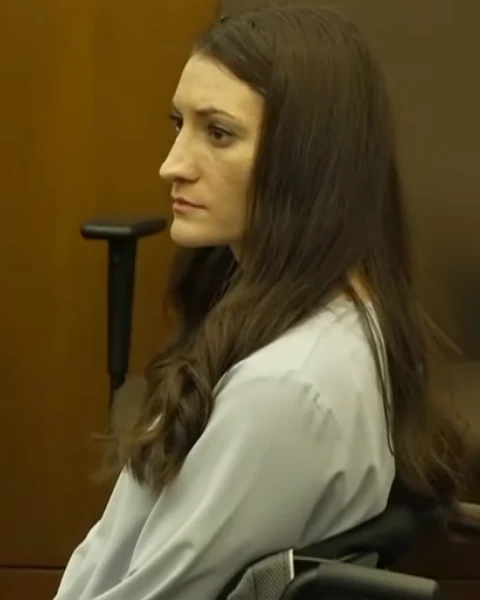
Nurse charged in the deaths of her children, Cora, Dawson and Callan Clancy.
Appeared2026 Criminal Trial
40 lines·157 proceedings·155 mentions
About
Lindsay Clancy faced three murder indictments for the deaths of Cora, Dawson, and Callan, with criminal responsibility central to her defense. The Commonwealth alleged that she arranged errands to send Patrick Clancy away, deliberately strangled the children, and then attempted suicide. Kevin Reddington argued that psychosis, medication effects, and treatment failures left her without criminal responsibility, rather than establishing a calculated plan.
On Day 6, Clancy answered Judge William Sullivan's questions under oath and voluntarily agreed to factual stipulations summarized in Exhibit J for identification. She acknowledged that the agreement relieved the Commonwealth of proving those facts and waived specified rights to confront witnesses and call witnesses to contest them. Sullivan found her competent to enter that stipulation and accepted it. Reddington explained that the agreement would avoid days of chain-of-custody testimony concerning blood, fluids, exercise bands, and DNA.
Testimony about Clancy's condition contrasted serious reported symptoms with observations of apparent improvement and ordinary interactions. Patrick described worsening anxiety, insomnia, and depressed mood, followed by apparent improvement after McLean treatment and normal communication on January 24. Psychiatrist Jennifer Tufts described worsening depression and medication changes but no observed psychosis, including at the January 23 appointment. Reddington challenged her entirely video-based treatment, record review, and prescribing decisions. Tufts defended her care and rejected his suggested connection between the final amitriptyline increase and the deaths.
Digital evidence mattered to the competing explanations of planning and illness. Ian Whiffin reviewed Clancy's phone searches, calls, and stair-activity records, while qualifying what timestamps established and explaining that movement records did not identify who carried the phone. Kyle Pavao could not identify the Surface Pro user and distinguished a suicide-related webpage reached through browsing from a direct search for suicide methods. Both sides disputed how digital and physical evidence should be interpreted.
The expert dispute concerned whether mental illness deprived Clancy of the relevant capacities, not simply whether she was ill. Defense experts Paul Zeizel and Phillip Resnick attributed her conduct to psychosis and supported lack of criminal responsibility. Commonwealth experts Avram Mack, Kirk Heilbrun, and Gregory Saathoff acknowledged mental illness but opined that she retained the capacities required for criminal responsibility. Saathoff cited planning and concealment while acknowledging a serious suicide attempt. Chaplain Sheila Cavanaugh recounted Clancy's reports of a threatening male voice; the Commonwealth challenged the absence of that account from her notes, which she explained were not verbatim conversations or clinical evaluations.
Sullivan instructed jurors on criminal responsibility, murder, and manslaughter. In closing, the Commonwealth conceded mental illness and genuine suicidal intent but sought first-degree murder findings; the defense maintained that psychosis defeated criminal responsibility. On Day 28, the jury reported deadlock. Sullivan declared a mistrial over Clancy's objection and discharged the jury after the defense sought further deliberations and inquiry about possible partial verdicts.
Trial Record (157)
No proceedings match this filter.