Skip to content
personpersonPaul ZeizelPaul ZeizelClinical and forensic psychologist with a private practice and experience evaluating people for legal proceedings.← All People
Expert witness

Paul Zeizel

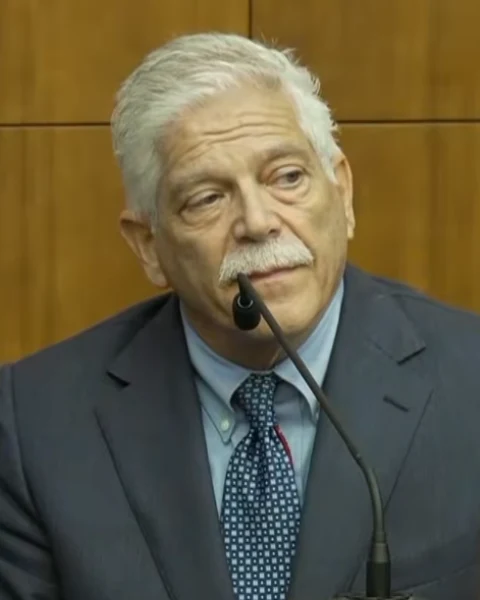
Courtroom still of Paul Zeizel.

Clinical and forensic psychologist with a private practice and experience evaluating people for legal proceedings.

670 lines·20 proceedings·16 mentions

About

Paul Zeizel testified for the defense on Day 15 and Day 16 as a clinical and forensic psychologist. He opined that Lindsay Clancy had bipolar disorder with postpartum psychosis and, when she killed the children, could neither appreciate the wrongfulness of her act nor conform her conduct to law. He also said she was not faking and showed no evidence of malingering.

Zeizel described finding Clancy disoriented, with fuzzy memories, during a hospital visit while she was receiving postoperative pain medication. He said he heard her tell Patrick by speakerphone that a male voice had ordered her to kill the children and herself, and denied coaching that account. His testimony traced worsening insomnia, intrusive thoughts, paranoia, suicidal concerns, medication difficulties, and voluntary hospitalization. He maintained that psychotic symptoms can fluctuate and coexist with driving, texting, making calls, and caring for a child.

On cross-examination, Shanan Buckingham challenged his objectivity and the completeness of his review. Zeizel acknowledged that his reports omitted initial mental-status examination results, corrected confusion between trazodone and Zoloft, and conceded partial review of other experts' reports and the Tewksbury records. He acknowledged that provider records did not contain the reported voice telling Clancy to kill herself. He also agreed that she had declined inpatient admission in December, explaining that his earlier description of receiving no help reflected her perspective. Hospital excerpts and a recording of his early news-conference comments were admitted as Exhibits 283 and 284.

On redirect, Zeizel said his opinion rested on 60 meetings, documents, and collateral contacts. He defended empathy as compatible with independent forensic evaluation and described Clancy's statements about loving and missing her children. He identified a honeymoon wish vase, which the judge admitted over objection. Further questioning addressed his defense retention, friendship with Kevin Reddington, and unusually extensive involvement. Zeizel explained that his trial lockup visits checked Clancy's stability and competence and described continuing suicide precautions. On further recross, he acknowledged no other self-harm attempt in three years apart from January 24, 2023.

Trial Record (20)

2026 Trial2026 Criminal TrialJul 27, 2026 โ€“ Sep 4, 2026Called by defense

Paul Zeizel testified for the defense that bipolar disorder with postpartum psychosis left Lindsay Clancy unable to appreciate wrongfulness or conform her conduct to law when she killed the children. Cross-examination tested his objectivity, record review, medication recollections, and the basis for her reported command voices.

Day 1

Day 8

Day 12

Day 13

Day 15

DirectPaul Zeizel - Direct ExaminationPaul ZeizelKevin Reddington1highlightMentioned164lines spoken

Summary

Paul Zeizel recounted Clancy's reported command voice, rejected malingering, and described treatment history and fluctuating psychotic symptoms.

Mentioned in this proceeding.

Highlights (1)

Quoteโ€œShe was not faking. There was no evidence of any malingering.โ€— Paul ZeizelStates Zeizel's opinion on whether Clancy exaggerated or fabricated symptoms.Open in transcript →Watch this moment ▶

Day 16

DirectPaul Zeizel โ€” Continued Direct ExaminationPaul ZeizelKevin Reddington2highlights128lines spoken

Summary

Zeizel described persistent psychotic symptoms and opined that bipolar disorder with postpartum psychosis left Clancy unable to appreciate wrongfulness or conform her conduct to law.

Highlights (2)

testimony highlightZeizel gave his ultimate opinion that Clancy had bipolar disorder with postpartum psychosis and, at the time of the killings, could not conform her behavior to law or appreciate the wrongfulness of her act.Open in transcript →Watch this moment ▶
Quoteโ€œMy opinion is that she did have indeed a mental disease or a defect. That's a legal construct, not a DSM-V one, but she had bipolar disorder with postpartum psychosis. In addition, she was unable to conform her behaviors to the rule of law, and she had no appreciation for the wrongfulness of her act.โ€— Paul ZeizelDirectly states the defense expert's diagnosis and opinion on criminal responsibility.Open in transcript →Watch this moment ▶
CrossPaul Zeizel โ€” Cross-ExaminationPaul ZeizelShanan Buckingham2highlightsMentioned309lines spoken

Summary

Buckingham challenged Zeizel's record review, medication history, reported-voice evidence, and objectivity; hospital excerpts and his news-conference recording were admitted.

Mentioned in this proceeding.

Highlights (2)

testimony highlightZeizel said the provider records did not contain the reported voice telling Clancy to kill herself. He distinguished unspecified earlier voices from the male voice she specifically reported in recounting January 24, 2023.Open in transcript →Watch this moment ▶
impeachmentThe Commonwealth played Zeizel's early news-conference comments. He acknowledged having no reviewed records at that point, but disputed that his discussion of command hallucinations was an assessment of Clancy. The judge directed counsel to move to the next question.Open in transcript →Watch this moment ▶
RedirectPaul Zeizel โ€” Redirect ExaminationPaul ZeizelKevin Reddington2highlightsMentioned46lines spoken

Summary

Zeizel defended his evaluation methods, contextualized Clancy's hospital behavior, and described her statements about her children. A wish vase was admitted as Exhibit 285 over objection.

Mentioned in this proceeding.

Highlights (2)

Quoteโ€œYou do not cherry-pick the information. You include warts and all in your report.โ€— Paul ZeizelZeizel described his approach to avoiding confirmation bias.Open in transcript →Watch this moment ▶

Day 19

Day 20

Day 21

Day 22

ClosingClosing Argument - DefenseKevin ReddingtonMentioned

Summary

Reddington argued that medication, treatment failures, and psychosis left Lindsay without criminal responsibility. He challenged the investigation and prosecution experts, disputed interpretations of physical and digital evidence, and emphasized the Commonwealth's burden of proof.

Mentioned in this proceeding.