Kirk Heilbrun testified for the Commonwealth that Lindsay Clancy had bipolar II disorder but retained awareness and control sufficient, in his clinical opinion, for criminal responsibility. Defense questioning challenged his postpartum expertise and evaluation methods and elicited concessions about adverse medication responses and later testing that did not indicate malingering.
Expert witnessDrexel University
Kirk Heilbrun
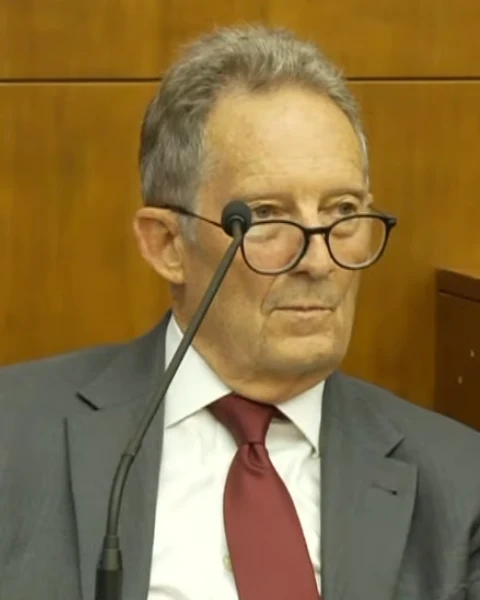
Forensic psychologist at Drexel University who conducts court-related evaluations and directs assessment and treatment clinics.
Appeared2026 Criminal Trial
812 lines·12 proceedings·10 mentions
About
Kirk Heilbrun testified for the Commonwealth on Day 19 and Day 20 as a forensic psychologist who evaluated Lindsay Clancy. He diagnosed bipolar II disorder and acknowledged serious mental illness, but offered the clinical opinion that she was criminally responsible. He said she retained awareness that killing was illegal and control over whether, when, and how she acted, while depression and her desire to die influenced her decisions and moral assessment.
Heilbrun described reviewing records, conducting interviews and psychological testing, and obtaining collateral information. He relied substantially on Tewksbury's longitudinal treatment records while acknowledging uncertainty about earlier manic symptoms. He favored a serious suicide attempt combined with what he termed altruistic filicide, meaning killing the children to prevent perceived suffering and separation, over acute psychosis with command hallucinations. He also discussed differing accounts of the reported voice and greater guardedness during offense-related interviewing, but rejected describing Clancy as self-centered and emphasized her continuing grief.
On cross-examination, Kevin Reddington challenged Heilbrun's postpartum expertise, evaluation timing, compensation, and interpretation of treatment records. Heilbrun agreed that earlier evaluation was preferable, described 10½ hours of interviews and testing over three days, and estimated fees of about $54,000 to that point. He acknowledged that he had not listened to the 911 recording, was unfamiliar with a postpartum screening measure raised by counsel, and had never written about postpartum psychosis. He also acknowledged Clancy's sustained efforts to obtain help and poor medication responses from October through January, while retaining his diagnostic and capacity distinctions.
On redirect, Heilbrun defended his reliance on extensive records and an earlier Resnick interview, denied prosecutorial pressure, and described delaying conclusions to reduce confirmation bias. He said the treatment records discussed documented no reported or observable psychosis. He characterized adverse drug effects in the Women and Infants Hospital records as possible but unconfirmed and declined to distinguish overmedication from adverse effects because that was a medical question outside his role as a psychologist. He explained that dissociation or psychosis does not automatically eliminate understanding or self-control.
On recross, Heilbrun agreed that later testing did not indicate exaggeration, lying, or malingering when administered. He distinguished symptom-validity measures from lie detection and acknowledged unfamiliarity with a hallucination article Reddington raised. These concessions concerned the interpretation of later testing and research; he did not withdraw his criminal-responsibility opinion.
Trial Record (12)
No proceedings match this filter.