Jennifer Tufts testified about treating Lindsay Clancy and finding no observed psychosis or disclosed suicidal or homicidal intent at the January 23 appointment. The defense challenged her video-only assessments, incomplete outside records and prescribing decisions; she defended her care and rejected the suggested causal role of an amitriptyline increase.
WitnessAster Mental Health
Jennifer Tufts
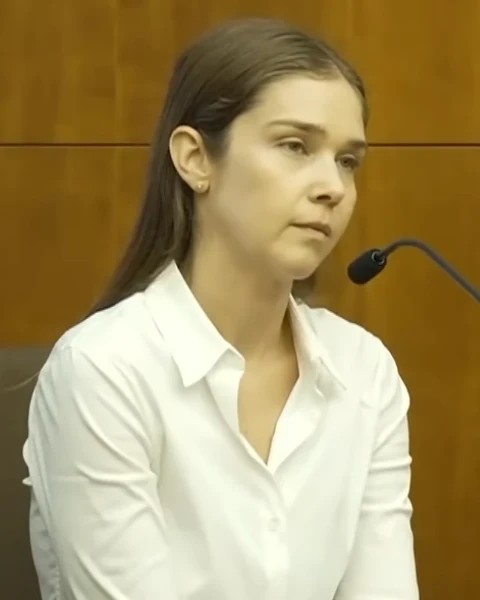
Psychiatrist at Aster Mental Health who treated Lindsay Clancy.
Appeared2026 Criminal Trial
1,827 lines·35 proceedings·34 mentions
About
Jennifer Tufts testified for the Commonwealth on Day 9 and Day 10 about her psychiatric treatment of Lindsay Clancy from September 2022 through January 23, 2023. Her practice's records were admitted as Exhibit 219. She described an initial diagnosis of generalized anxiety disorder and adjustment disorder with depressed mood, followed by persistent depression, insomnia, reported medication side effects and changing treatment plans.
Tufts distinguished depressive symptoms and reported suicidal ideation from mania, observed psychosis, and expressed intent or plans. She said Clancy did not meet bipolar-disorder criteria. At the January 23 appointment, she observed depressed, flat affect but no psychosis; Clancy denied suicidal and homicidal ideation. Tufts said she found no grounds for involuntary hospitalization under Section 12 and increased amitriptyline while slowing the Valium taper. She emphasized that a mental status examination described the patient's presentation at that appointment.
On cross-examination, Kevin Reddington challenged the basis of those conclusions. Tufts acknowledged that all 14 appointments were by video, that she had recently begun independent practice, and that she had not obtained South Shore records or fuller McLean records beyond a discharge summary. Her answers about receiving Women and Infants records differed. She defended reliance on Clancy's detailed reports and explained that the recorded 17-minute therapy component was not the entire appointment. After the judge permitted questioning about a civil lawsuit, she acknowledged being a defendant but denied negligence. She also rejected Reddington's suggestion that the January 23 amitriptyline increase caused Clancy's subsequent deterioration.
On redirect, Tufts described her residency and perinatal training, while acknowledging that she had not treated postpartum psychosis. She defended her assessments and explained why she had not recommended a hospital evaluation on January 23. Jennifer Sprague used an amitriptyline bottle from Exhibit 155 to suggest that eight missing pills showed Clancy had not taken the increased dose. Tufts accepted that inference based on counsel's description and made her answer about the increase conditional on Clancy not having taken 20 milligrams.
Recross returned to limited family contact and outside records. Tufts acknowledged not requesting a release to contact family, explaining that such contact was not typical for an adult patient able to speak for herself. She disputed Reddington's interpretation of an October 21 note and maintained that she had not observed pressured speech. Further questioning clarified that she had marked speech as appropriate and could not date thyroid results she had never seen.
Trial Record (35)
No proceedings match this filter.