Sejal Shah testified for the Commonwealth on Day 5 about Clancy's hospital delirium and capacity to change healthcare proxies. She explained why resolved delirium, normal imaging, and capacity for that decision did not establish an absence of impairment, and clarified the limits of her medication assessments.
WitnessBrigham and Women's Hospital
Sejal Shah
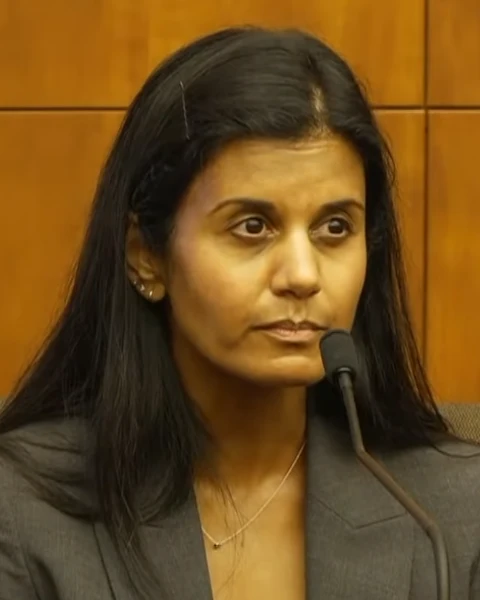
Psychiatrist and associate chief of the Division of Psychiatry and Medicine at Brigham and Women's Hospital.
Appeared2026 Criminal Trial
184 lines·5 proceedings·2 mentions
About
Sejal Shah testified for the Commonwealth on Day 5 about psychiatric evaluations of Lindsay Clancy beginning January 29, 2023. She diagnosed delirium after observing confusion and cognitive errors, and described possible medical contributors including oxygen desaturation, recent anesthesia, and an elevated heart rate. Clinicians delayed changing Clancy's healthcare proxies from her husband to her parents until reassessment the next day, when the delirium had cleared and her choice remained consistent.
Shah qualified what those findings established. Normal CAT scans did not exclude brain injury, and capacity for a relatively low-risk proxy change did not establish an absence of impairment. During February follow-ups, Clancy denied suicidal and homicidal symptoms and hallucinations and expressed hope about rehabilitation. February 21 notes recorded low mood without a current major depressive episode. Shah's hospital assessments concerned safety, medication, mental status, and medical decision-making, not an opinion on criminal responsibility at the time of the charged events.
On cross-examination by Kevin Reddington, Shah agreed generally that people experiencing psychosis can communicate, plan, and act on plans. She reviewed psychiatric prescriptions over approximately four months beginning in September 2022 and discussed antidepressant risks, without making case-specific findings of diagnosis or causation. On Jennifer Sprague's redirect, she clarified that the listed drugs were not all taken simultaneously and that she did not know the proposed pill counts. She also agreed that exercise, organized garage cleaning, and selling unwanted possessions do not necessarily indicate mania.
On recross, Shah agreed that symptoms Reddington proposed would matter in psychiatric assessment, without finding that Clancy had those symptoms. She acknowledged not knowing the medication-switching instructions he described. Shah also testified that Clancy requested DNR status the day after her first evaluation. Clinicians did not change her code status in the context of her reporting a serious suicide attempt; Clancy ultimately agreed that her mental health should be stable before she reconsidered that decision.
Trial Record (5)
No proceedings match this filter.