Rachelle Amedee testified on Day 5 about Lindsay Clancy's ICU resuscitation, later communication and awareness, and request to contact counsel. Under questioning, she distinguished her nursing observations from other clinicians' injury assessments and psychiatric-history notes.
WitnessBrigham and Women's Hospital
Rachelle Amedee
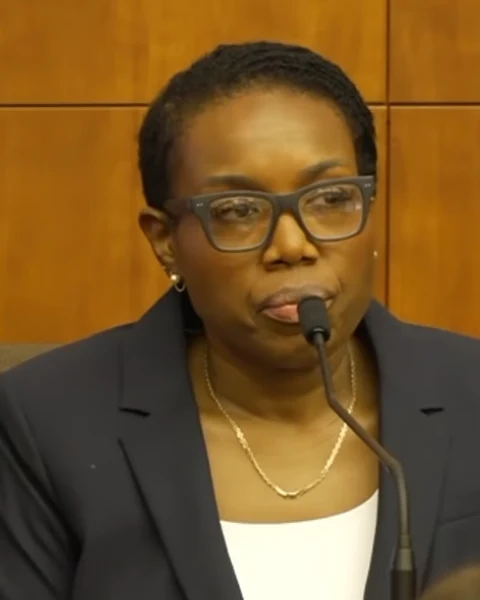
Trauma surgical intensive care nurse at Brigham and Women's Hospital.
Appeared2026 Criminal Trial
270 lines·5 proceedings·2 mentions
About
Rachelle Amedee testified for the Commonwealth on Day 5 about caring for Lindsay Clancy in the trauma surgical ICU at Brigham and Women's Hospital beginning January 24, 2023. She described Clancy's cardiac arrest early the following morning and emergency treatment that included CPR, blood-pressure medication, chest tubes, and massive transfusion.
Amedee traced Clancy's later ability to follow simple commands and communicate by whiteboard. She described Clancy on January 30 as off sedation, alert and oriented, cooperative, and flat in affect, with continuing sleep complaints. She recalled a request to contact a lawyer, which she thought occurred on February 2, and said she documented it and requested a social-work consultation. When defense counsel objected to questioning about why she documented the request, the judge called counsel forward; questioning resumed without an express ruling in the dialogue.
On cross-examination by Kevin Reddington, Amedee confirmed substantial emergency treatment and discussed spinal injuries and suspected spinal-fluid leakage. She distinguished her own observations from other clinicians' notes and declined to adopt wrist-wound measurements or depth descriptions she had not adequately assessed. She acknowledged references to postpartum depression and postpartum psychosis without offering a diagnosis. She also distinguished police outside the room during her overnight observations from a morning note describing officers at the bedside, and confirmed that police restricted visitors.
On redirect, Amedee clarified that January 28 was Clancy's first whiteboard use with her, and February 2 the first mention of a lawyer to her. She agreed that care focused on cardiac stability and chest bleeding, while qualifying her recollection of bandage seepage and other clinicians' psychiatric and laceration assessments. On recross, she could not identify the day psychiatric evaluations occurred and confirmed being shown references to postpartum depression and postpartum psychosis. The judge then excused her.
Trial Record (5)
No proceedings match this filter.