Phillip Resnick testified for the defense that psychosis left Lindsay Clancy unable to conform her conduct to law at the time of the killings. He maintained that opinion under cross-examination challenging it through his writings, Clancy's undisclosed harmful impulses, and treatment records.
Expert witnessCase Western Reserve University
Phillip Resnick
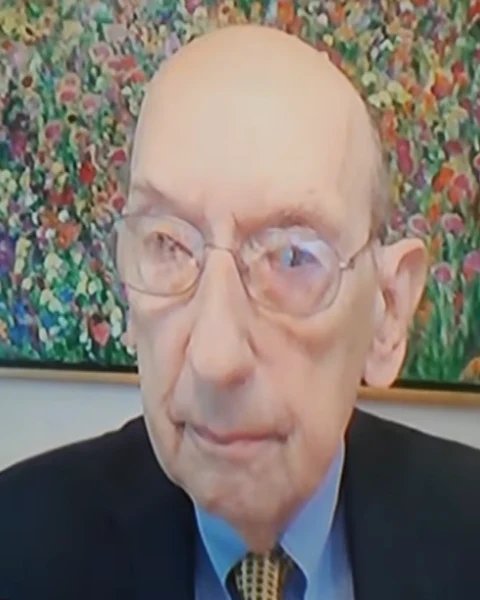
Forensic psychiatrist and professor at Case Western Reserve University with experience studying parents who kill their children.
Appeared2026 Criminal Trial
157 lines·15 proceedings·15 mentions
About
Phillip Resnick testified remotely for the defense on Day 18, offering a forensic psychiatric opinion that Lindsay Clancy lacked criminal responsibility for the killings. Under Kevin Reddington's questioning, he described a three-hour interview in May 2023, collateral interviews, and extensive record review. His resume was admitted as Exhibit 287 without objection.
Resnick diagnosed bipolar II disorder with severe depression and said Clancy was psychotic at the time of the killings. He attributed her conduct to command hallucinations, perceived external control, and distorted thinking that she was acting morally for her children. In his opinion, she could not conform her conduct to law. He qualified the postpartum formulation, acknowledging that psychosis eight months after childbirth was uncommon, and did not claim she was continuously psychotic throughout the day.
Resnick described MMPI findings as showing no symptom faking, not as a general test of truthfulness. He acknowledged that Clancy had withheld impulses to harm her children from doctors and explained that constant staff observation prevented her from acting on suicidality in hospital. The judge limited jurors' use of her evaluation statements and sustained an objection to a broader question about mothers' fears of disclosing intrusive thoughts.
On cross-examination, Jennifer Sprague challenged his reasoning through his teaching materials, writings on malingering, and treatment records. Three Tewksbury record sections addressing clinical stability, reported hallucination history, and intact reality testing were admitted as Exhibits 288 through 290 without objection. Resnick conceded that reported commands can be fabricated and mental illness can coexist with exaggeration, but maintained his opinion: Clancy had resisted harmful impulses before later acting under a command accompanied by a psychotic belief that her children would be better off in heaven. He also disputed Sprague's characterization of his testimony training. The defense declined redirect.
Trial Record (15)
No proceedings match this filter.