Kimberley Springer testified on Day 8 that Callan's autopsy findings were consistent with ligature strangulation and identified complications of mechanical asphyxia as the cause of death. She acknowledged limits on dating head abrasions, and the defense declined cross-examination.
Expert witnessOffice of the Chief Medical Examiner
Kimberley Springer
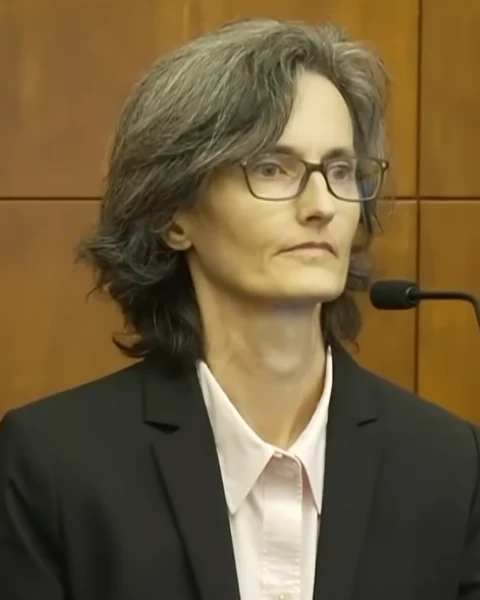
Forensic pathologist and medical examiner at the Massachusetts Office of the Chief Medical Examiner.
Appeared2026 Criminal Trial
53 lines·1 proceeding·1 mention
About
Medical examiner Kimberley Springer testified for the Commonwealth on Day 8 about the autopsy she performed on Callan Patrick Clancy on January 29, 2023. Under Jennifer Sprague's questioning, she used photographs to explain neck abrasions and facial petechiae consistent with ligature strangulation, distinguishing those findings from a normal infant neck fold and marks caused by medical treatment.
Springer could not precisely date the head abrasions, although she identified scabbing as evidence of healing. She identified the cause of death as complications of mechanical asphyxia and explained that this wording reflected Callan's resuscitation and three days of hospital support, rather than a separate hospital event causing death.
The court admitted the autopsy photographs as Exhibit 215 over a renewed defense objection and admitted the death certificate without objection. Judge William Sullivan cautioned jurors against deciding facts through emotional reactions. Kevin Reddington declined cross-examination, and Springer was excused.
Trial Record (1)
No proceedings match this filter.