Daniel Dougherty testified on Day 3 about Lindsay Clancy's wounds, limited responsiveness and emergency care at the scene. Cross-examination explored whether cold exposure could explain the absence of active bleeding, but he could not establish any case-specific effect.
WitnessDuxbury Fire Department
Daniel Dougherty
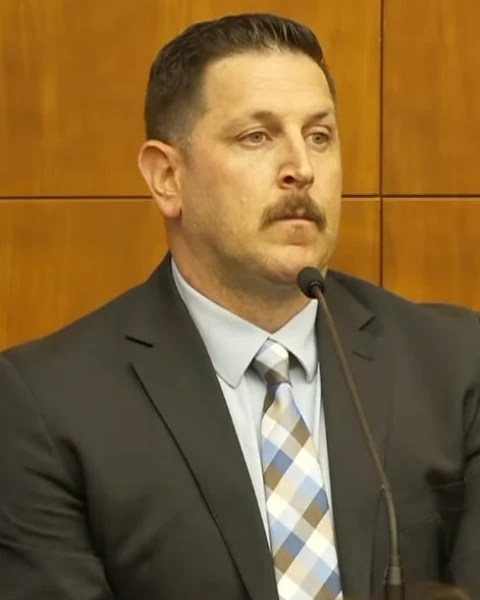
Duxbury firefighter and paramedic.
Appeared2026 Criminal Trial
105 lines·6 proceedings·6 mentions
About
Daniel Dougherty testified for the Commonwealth on Day 3 about treating Lindsay Clancy after responding to 47 Summer Street on January 24, 2023. The firefighter-paramedic described neck and wrist lacerations without active bleeding. He said the neck wounds seemed somewhat superficial because they were not actively bleeding. Clancy was breathing on her own but responded mainly to painful stimuli; he said she somewhat regained consciousness while being moved.
Dougherty described airway protection, oxygen, bandaging and spinal precautions during placement on a backboard. Under Jennifer Sprague's questioning, he placed the bandaging after airway protection and after hearing screams. He helped load Clancy into the Pembroke ambulance but did not accompany her. He then rode to the hospital with Dawson Clancy, operating a bag valve mask.
On cross-examination, Kevin Reddington explored whether cold exposure could affect the bleeding observations. Dougherty estimated the outdoor temperature in the mid-30s and did not know how long Clancy had been on the ground. He agreed that hypothermia affects blood flow but could not say whether it had affected her bleeding; his answers did not establish that she was hypothermic. On redirect, he confirmed that Clancy went to South Shore Hospital and agreed that hospitals generally have heat. He did not confirm Sprague's suggestions that the wrist wounds were sutured the next day or that the neck wound never required suturing, explaining that he had received no subsequent treatment information.
Trial Record (6)
No proceedings match this filter.