Alia Goodheart testified about Lindsay Clancy's McLean treatment, distinguishing unresolved diagnostic questions from her lack of safety concerns at discharge. Defense questioning tested the outside records, collateral information, testing, and postpartum-psychosis experience underlying that assessment.
WitnessMcLean Hospital
Alia Goodheart
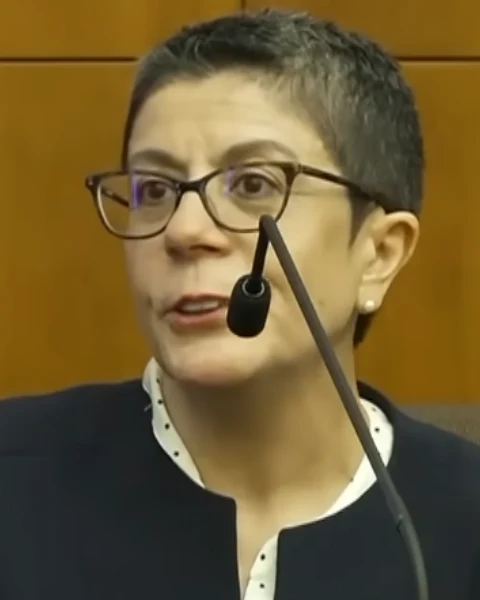
Psychiatrist working on an inpatient psychiatric unit at McLean Hospital.
Appeared2026 Criminal Trial
622 lines·10 proceedings·8 mentions
About
Alia Goodheart testified for the Commonwealth on Day 9 about Lindsay Clancy's voluntary McLean hospitalization from January 1 through January 5, 2023. The psychiatrist distinguished earlier clinicians' records from her own first meeting with Clancy on January 3. She described an admission diagnosis of severe major depressive disorder without psychotic features, while explaining that her own initial diagnosis concerned insomnia associated with a mental health condition because she needed more observation for a firmer assessment.
Goodheart described tapering Seroquel while monitoring sleep, numbness, and possible bipolar symptoms. She reported no psychosis in her meeting or the earlier providers' notes. Although she would have preferred further observation, including time without Seroquel, she said she had no safety concerns at discharge. She conditioned earlier discharge on next-day psychiatric follow-up and described family supports, Clancy's investment in her children, and denials of suicidal intent, a suicide plan, or intent to harm others. Discharge prescriptions included 14-day supplies of Ativan and Trazodone.
On cross-examination, Kevin Reddington questioned the breadth of that assessment. Goodheart acknowledged that she had neither spoken with Rebecca Jollotta nor accessed her records, had obtained no additional collateral contact beyond Patrick, and had not seen a postpartum-psychosis case. She confirmed the absence of a new thyroid test and an Edinburgh depression scale, but corrected the assertion that no blood work occurred. She defended her reliance on history, observed presentation, and information from Patrick, and confirmed that discharge was not against medical advice.
On redirect, Goodheart identified discharge instructions, crisis contacts, and continuing-care resources. She said sleep and mood had improved but acknowledged insufficient time to identify the root causes of insomnia and numbness. She explained that consistent reporting, her observations, and Patrick's information left her seeing no urgent need to obtain additional provider information. Her account maintained a distinction between unresolved diagnostic questions and her safety assessment at discharge.
Trial Record (10)
No proceedings match this filter.